


Home / Blog / Indian Kite
Indian Kite
7 Benefits of Flying Kites: The Science Behind India’s Most Beloved Outdoor Activity
Flying kites improves eye health, reduces stress and builds coordination. Fly360 explores 7 proven mental and physical health benefits of kite flying.
7 Surprising Benefits of Flying Kites: Why This Ancient Activity Is Good for Body and Mind
Most people think of kite flying as a childhood memory or a festival activity. The science tells a different story. Flying a kite is a genuine physical and mental health practice with documented benefits for visual acuity, stress reduction, spatial awareness, and social bonding. Fly360, India’s leading professional kite company, explores the seven most significant benefits of kite flying backed by science and centuries of cultural wisdom.
Benefit 1: Improves Visual Acuity and Eye Muscle Strength
Tracking a kite across the sky requires continuous, long-range focus adjustment as the kite moves, dips, and changes direction. This dynamic visual tracking exercises the ciliary muscles of the eye – the muscles responsible for focusing the lens – in a way that screens and close-range work do not.
In cultures where kite flying is a regular outdoor practice (Gujarat, Rajasthan, parts of China and Southeast Asia), the prevalence of childhood myopia (short-sightedness) is lower than in comparable populations who spend equivalent time on screens rather than outdoors. Optometrists consistently recommend outdoor activities involving distance focus as a preventive measure against myopia progression in children.

Benefit 2: Reduces Stress and Improves Mental Health
Kite flying requires the kind of present-moment attention that mental health professionals call mindfulness. When your kite is in the air, you are not thinking about work deadlines, social media notifications, or financial anxieties. You are watching the sky, feeling the tension in the line, and responding in real time to the wind.
Multiple studies on nature-based activity confirm that time spent outdoors, especially in open green or coastal spaces, reduces cortisol (the primary stress hormone) and improves mood. Kite flying combines the benefits of outdoor exposure, light physical activity, and focussed attention in a single activity that is available to every age group.
Benefit 3: Builds Coordination, Balance, and Spatial Awareness
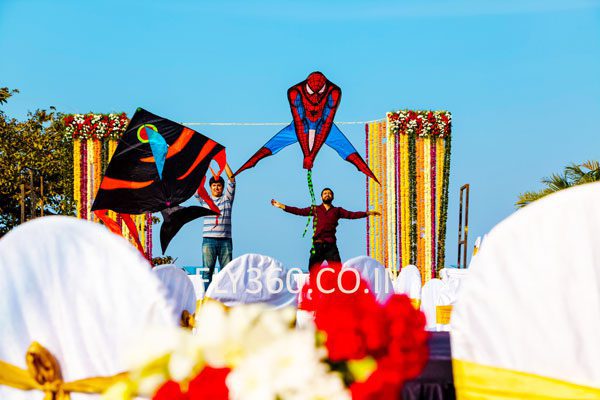
Flying a kite – particularly a stunt kite or a kite in variable wind conditions – requires continuous small adjustments of body position, arm tension, and foot movement. These adjustments build proprioception (awareness of body position in space) and bilateral coordination (using both sides of the body independently but in coordination).
Children who fly kites regularly develop hand-eye coordination and spatial reasoning skills that transfer to academic performance, sports, and fine motor tasks. The connection between outdoor physical play and cognitive development is one of the most robust findings in developmental psychology.
For adults and elderly people, the gentle physical activity of kite flying provides low-impact exercise for the shoulders, arms, and core, with benefits for joint mobility and balance that are comparable to gentle yoga or tai chi.
Benefit 4: Encourages Outdoor Activity in the Digital Age
India has the world’s largest population of internet users under 25. The average Indian teenager spends more than 6 hours per day on screens. The physical and psychological consequences of this screen time – sedentary lifestyle, disrupted sleep, reduced attention span, vitamin D deficiency from indoor living – are a documented public health concern.
Kite flying is one of the most effective ways to motivate children (and adults) to go outdoors because it immediately delivers a reward: the visible, tangible satisfaction of a kite rising into the sky. Unlike other outdoor activities that require skill development before they become fun, kite flying can be enjoyable from the very first launch.
Benefit 5: Strengthens Social Bonds and Community
Kite flying is inherently social. Even a solo flyer at a beach or park will quickly attract observers, conversations, and requests to try the kite. At organised kite events, the shared experience of watching dozens of custom kites fill the sky creates the kind of collective joy that dissolves social barriers between strangers.
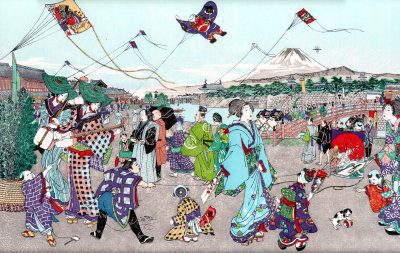
India’s kite festival tradition – Uttarayan in Gujarat, Basant Panchami in Punjab and UP, the Kite Festival in Kolkata – reflects this social function. For one day, all neighbours become participants in the same sky, competing, cooperating, and celebrating together. Fly360’s kite workshops replicate this effect in corporate team-building programmes and community events, where the shared task of building and flying a kite consistently produces stronger social bonds than conventional icebreaker activities.
Benefit 6: Teaches Physics, Engineering, and Problem-Solving
Every aspect of kite flying is an applied science lesson. Why does the kite need a tail? What happens if the bridle angle is wrong? Why does the kite fly higher on a windy day but a different kite flies better in light winds? These are questions of aerodynamics, material science, and engineering that are naturally raised and answered through flying.
Fly360’s modern kite making workshops teach children these principles through hands-on experience – designing a kite canvas, assembling a spar frame, adjusting the bridle, and flying the finished kite. The workshop produces genuine understanding of physics concepts (lift, drag, tension) that abstract classroom instruction rarely achieves. The Fly360 approach has been used with children from age 4 to adults, in workshops from 20 participants to the Limca Book of Records event for 1,200 simultaneous participants in Solapur.
Benefit 7: Connects Generations Through Shared Cultural Heritage
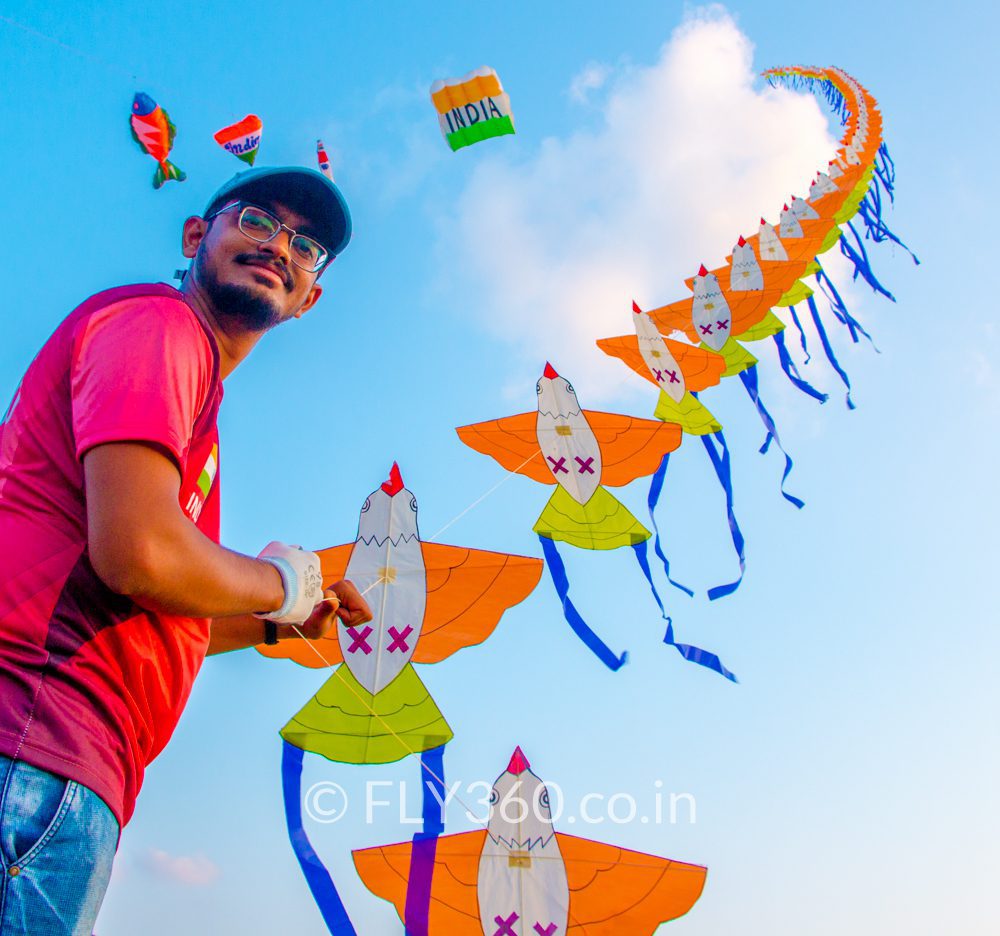
In India, kite flying is not just a sport or a hobby. It is a cultural inheritance, passed from grandparents to parents to children across thousands of years. The moment a grandparent teaches a grandchild to fly a kite, they are participating in a transmission of knowledge, memory, and identity that goes back at least 2,000 years.
This intergenerational connection is one of the rarest and most valuable things any activity can provide. It creates a shared language between age groups that have increasingly separate digital worlds. It produces memories that are recalled and retold across decades. Fly360 has witnessed this connection at every festival it has organised, from PM Modi’s kite flying at the Gujarat International Kite Festival to children at the Solapur workshop flying their first kite alongside professional kite artists.
Frequently Asked Questions About the Benefits of Flying Kites
Common questions answered by the Fly360 team.
Is kite flying good for your eyes?
What are the mental health benefits of kite flying?
Is kite flying good exercise?
What age is kite flying suitable for?
How does kite flying teach children about physics?
Experience the Benefits First-Hand
Book a Fly360 kite making workshop for your school, community, or corporate team and discover why kite flying has been India’s most beloved outdoor activity for 2,000 years.