



Home / Blog / Indian Kite
Indian Kite
Kites Vs Birds
Manja wire kills thousands of birds in India every year. Fly360 explores the conflict between kite flying and bird safety, and what responsible flyers can do differently.
Kite flying Tradition
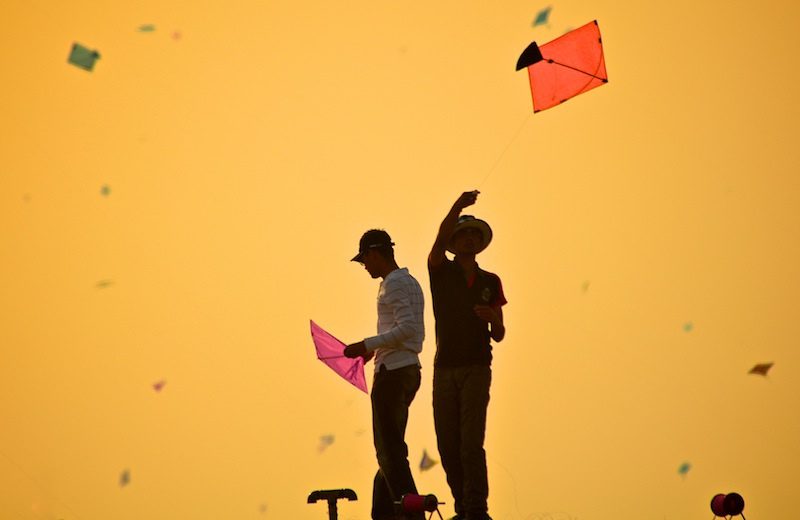
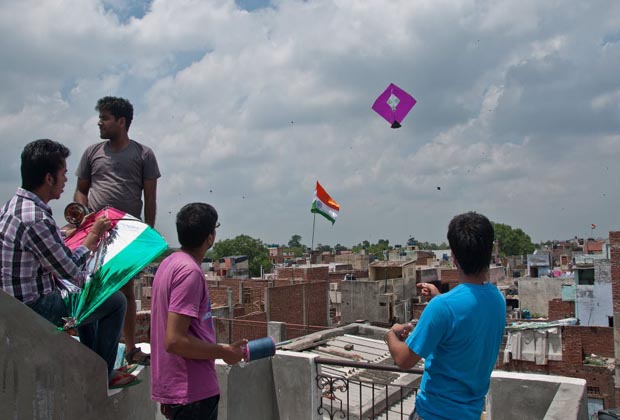
Kite flying has always been enjoyed by people all over the world. Not only is it a highly beneficial recreational and social activity but it also forms the cornerstone of many cultures around the world. Countries like India and China have special festivals which remain incomplete without witnessing the vibrant and colorful kites soaring in the sky.
However, regardless of the good that kite flying brings, one cannot refuse to see the bad that come with it. It is a well known fact that kite flying can turn hazardous, even fatal in some cases.
The widespread use of metal and glass kite strings, irresponsible behaviours like flying kites at high altitudes and disposing them off without care, are some of the contributing reasons to making kite flying such a dangerous activity. While these are problems due to our handling of the kites, then certain types of kites are harmful because of the way they are built.
This is mainly seen one specific type of kites called ‘Manja’ kites. The newer class of kites incorporate certain features which is aimed at addressing the issues with Manja kites.
However, by making ourselves aware of the consequences of our mindless actions, we can bring about a change.
The problem and solution
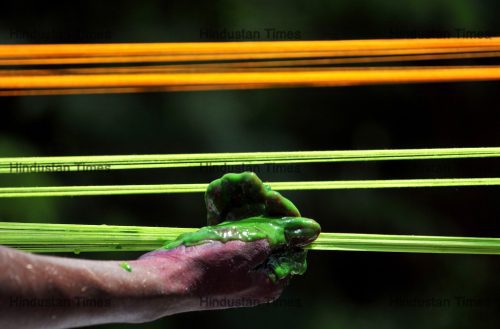
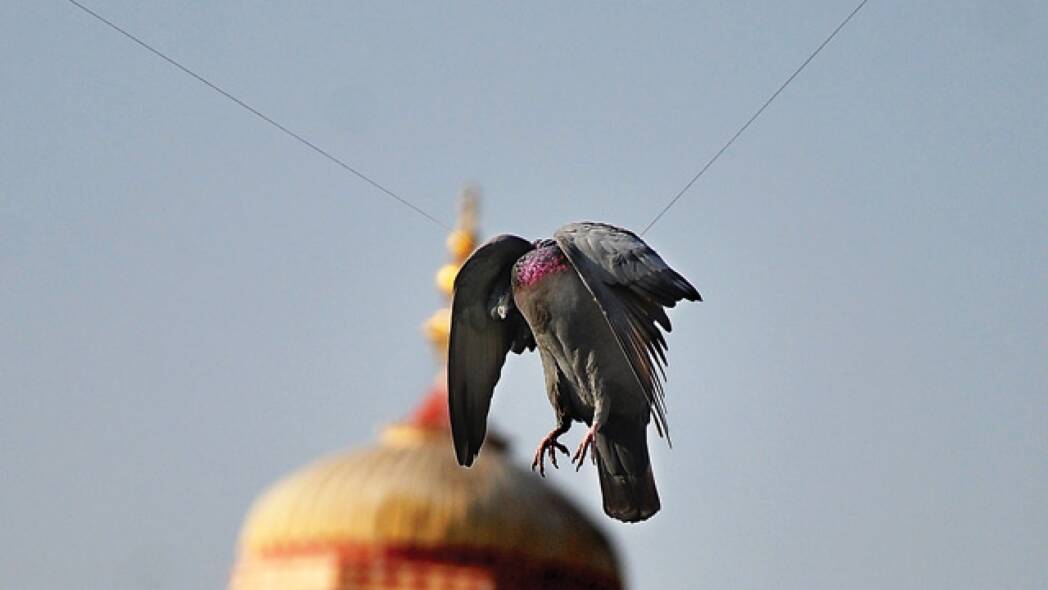
- Use of glass coated strings – Due to the use of glass coated strings(a.k.a. Manjha), many kite flying accidents have resulted in severe bodily injuries. A few severe cases even witnessed death due to electrocution. Cheaply made Chinese kite strings can conduct electricity. If a kite touches an electric pole, it is bound to cause severe injuries or even death.Not just humans, hundreds of birds die every year because of these twines. Instead of opting for the deadly metal chord kites, one can choose from a wide range of modern kites which are available in the market these days. These modern kites are manufactured with special materials, keeping in mind the safety of humans and animals alike.
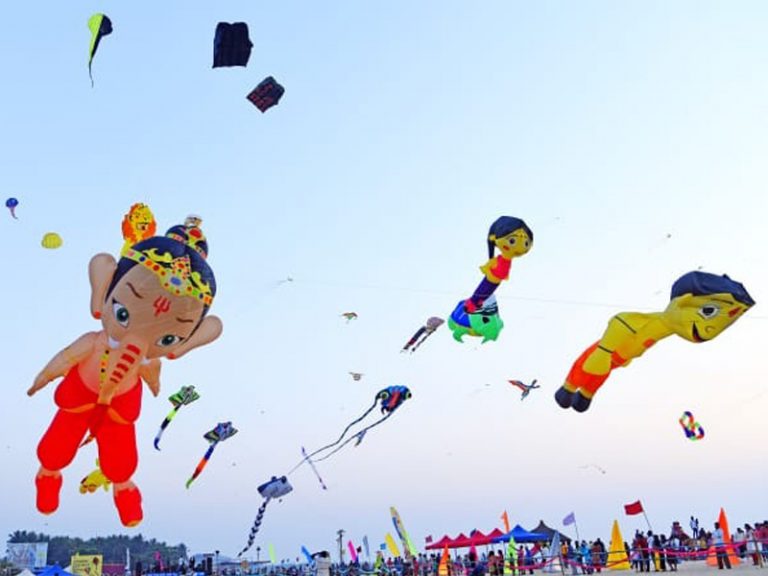
One class of such kites are called designer kites, FLY360 were the first in India to start the trend of designer kites. They are also closely associated with organizations and help in spreading awareness about the ill-effects on Manjha kites.
- Flying kites at high heights – People often tend to get passionate while flying kites and do not realize when they cross the bar of safety. Kites are meant to be flown at a certain height, crossing which can cause severe fatalities. Firstly, having a kite too up in the sky can make it very hard to spot it, thus putting the flyer in danger of falling while concentrating.More importantly, the kite line(thread) is thin and not easily noticeable, the birds in the sky can’t see them and end up flying right into it causing them to lose a wing or a foot or even bleeding to death. Thus, one should keep a track of the height that she/he is flying their kite as well as try and find an open area/ ground to do the same in order to ensure the safety of all.
- Disposal of kites – Taking proper care while disposing off a kite is as important as taking precautions while flying it. The accumulation of glass and metal chords in flying grounds and the streets post festivals is not only harmful for the smaller animals who might eat them but also proves to be a great threat to the environment. It is only responsible to collect the chords and broken kites and throw them in a bin.
Why the ban on Manjha kites?
In order to enforce certain safety standards for kite flying, the NGT(National Green Tribunal) imposed a ban on the ‘manjha’ that was being used for kite flying in 2017. The Supreme Court, further refused to lift the ban, declining to interfere with the NGT’s decision.
For many, this was seen as a sad judgement since using manja has always been an important part of flying kites and the thought of using alternatives seems saddening. However, this ban was by and largely accepted warmly people are now becoming more environment conscious and want to make efforts to sustain and protect this planet.
The experiences of people who use modern kites help convince the other half of the population in favour of this ban as modern kites are made with environment friendly materials, hence giving a much better experience than Manjhas. The ban would also help in reducing the death of birds which was common during the peak of kite flying season. The ban has lead to many positive outcomes and will surely encourage kite-flying in an environment friendly manner.
What do we recommend ?
This doesn’t mean that you have to let go of your passion of flying kites. The newer class of kites like designer kites are environment friendly. There are many companies striving towards making kite flying an enjoyable and environment friendly activity, one of them is FLY360.
FLY360, Estd in 1996, takes care of all the problems that come with kite flying, ensuring that you experience uninterrupted fun while being assured of doing your bit towards protecting the environment.
Their kites come in various designs, colours and patterns that are extremely appealing to the eye and definitely make the experience a lot more enjoyable.
They make modern kites which have bird-friendly ‘manjha’, made out of much safer materials. They are a group of passionate kite flying enthusiasts who are here to help you create the most cherishable memories with the perfect ambience without causing harm to yourself or others. The professionals at FLY360 can teach you the right way of flying kites. Remember, kite flying is an art, it is way more enjoyable when you do it the right way.
They can also be contacted for club memberships which lets you travel and attend kite festivals with amazing flyers from all over the world!


Related Posts
- Amazing Benefits of kite tourism you will like!
- Reviving kite flying – The Ancient Art.
- Kite festival in Ahmedabad 2019 – Detail schedule of the event.
- UTTARAYAN – Festival where sky meets the earth.
- LED Night flying kite show.