


Home / Blog / Kite Festival
Kite Festival
Dashain Kite Festival, Nepal
Dashain is Nepal's biggest festival, celebrated with kite flying, family gatherings and traditional rituals. Fly360 explores the cultural meaning of kites in Nepali celebrations.
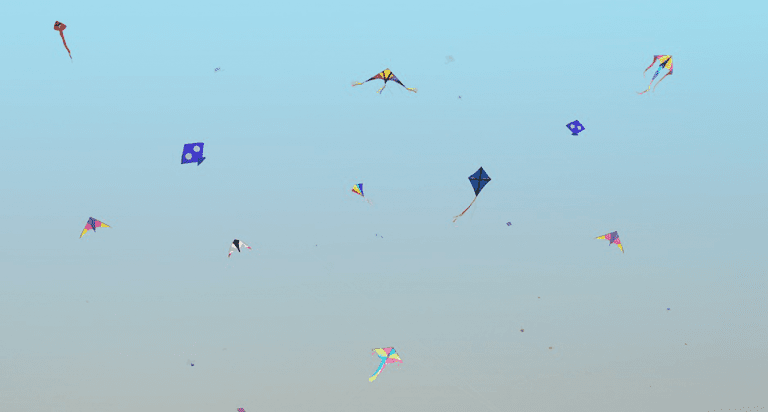
Every October, Nepal turns its face skyward. Dashain — Nepal’s longest and most auspicious festival, a 15-day celebration of the victory of good over evil — fills the sky above every city, town, and village with kites. This is not coincidence. Kite flying during Dashain is one of Nepal’s oldest traditions, carrying meaning as rich as the festival itself.
What is Dashain? Nepal’s Most Celebrated Festival
Dashain, also called Vijaya Dasami or Mohani, is the Nepali version of Durga Puja — a 15-day celebration observed across Nepal, Bhutan, parts of India, and Myanmar. The festival marks Goddess Durga’s victory over the demon Mahishasura, the triumph of good over evil. The first nine days represent the fierce battle; the tenth day (Dashami) celebrates Durga’s ultimate victory. Among the days of Dashain, the 1st, 7th, 8th, 9th, and 10th hold special religious significance. All government offices, schools, and businesses close for the celebration.
Why Kites Are Flown During Dashain: The Ancient Tradition
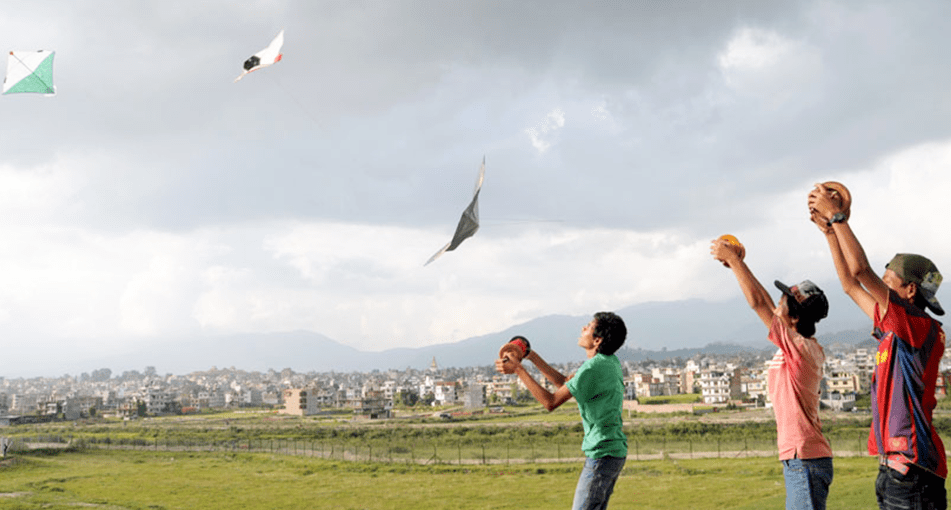
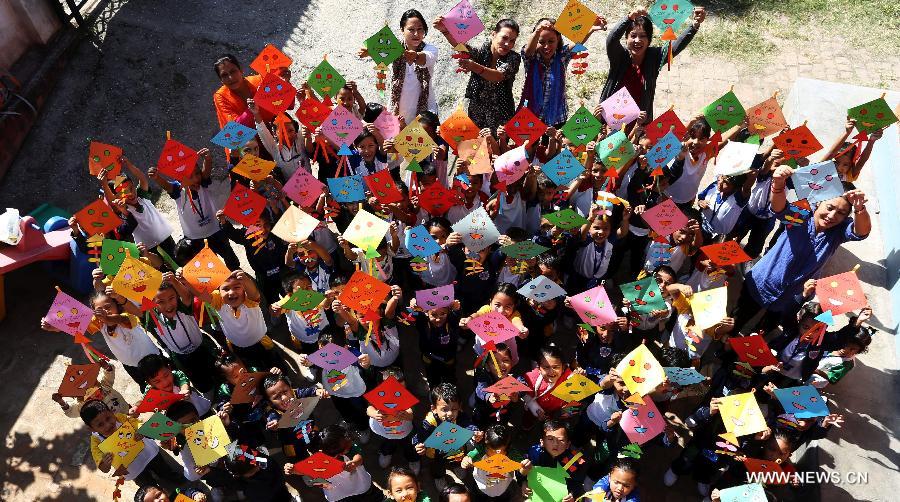
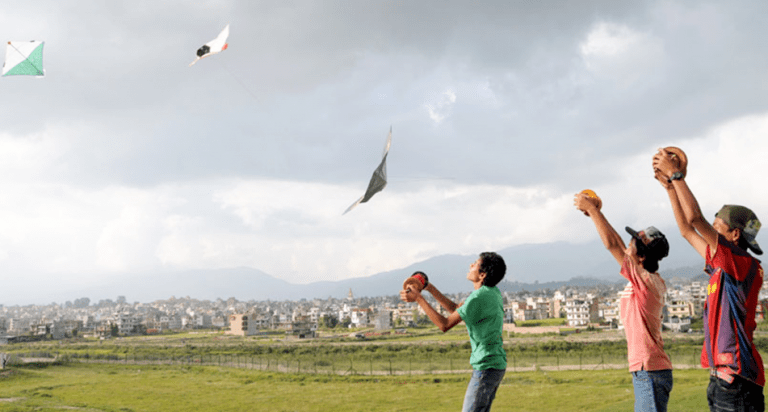
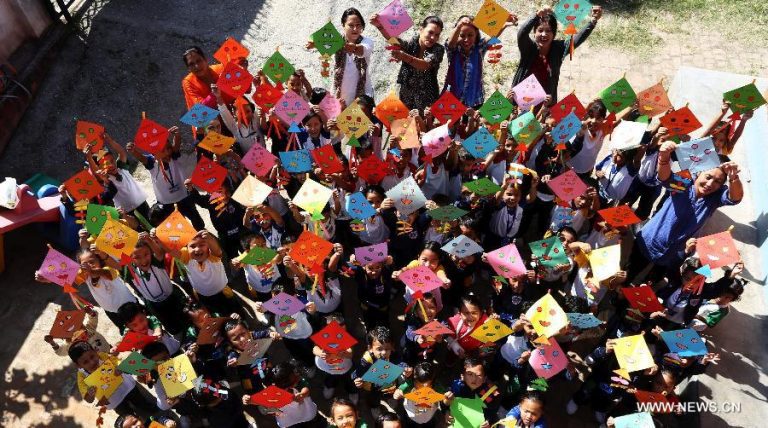
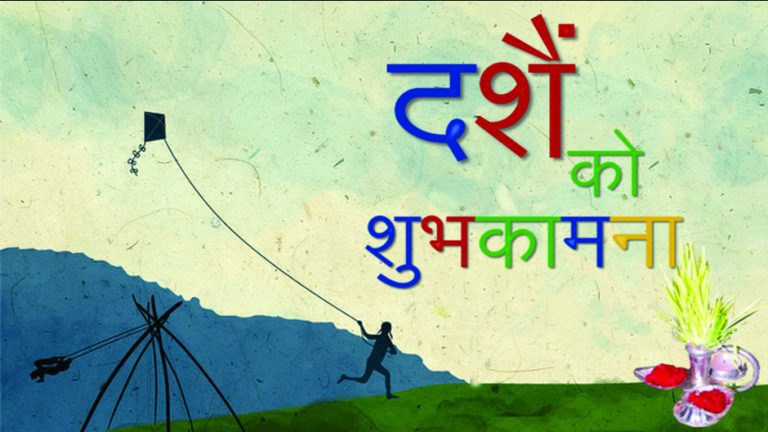
Kite flying during Dashain is one of Nepal’s most distinctive customs, and its origins are both practical and spiritual. According to ancient tradition, flying kites during Dashain sends a message to the rain god Indra: the crops are now fully grown, the harvest is in, no more rain is needed. The kite is a literal sky-message, a petition sent upward. Beyond this, kites flown during Dashain are believed to bring good fortune and prosperity to the family. Young men across Nepal make their own kites from lokta paper and spend the festival season flying and competing — the sport of kite-cutting is as popular in Nepal as it is in India.
Dashain and Community: The Festival That Reunites Nepal
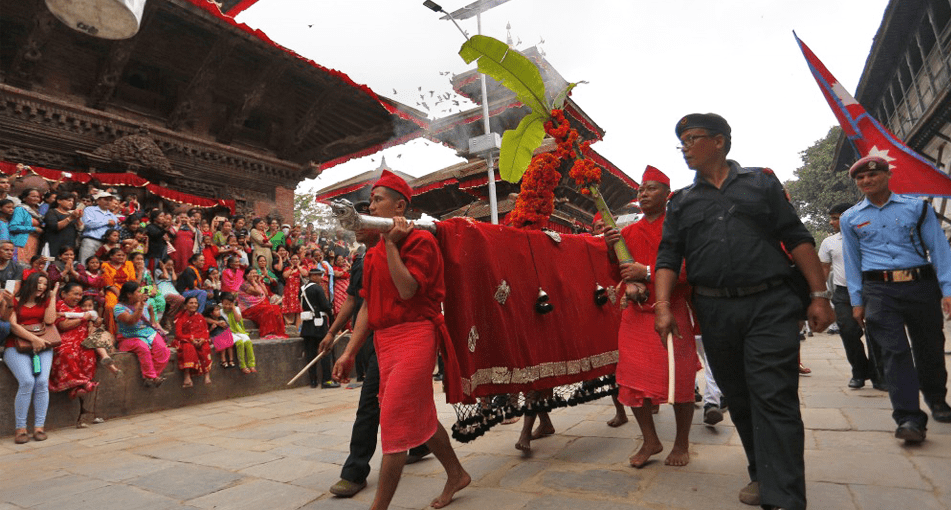
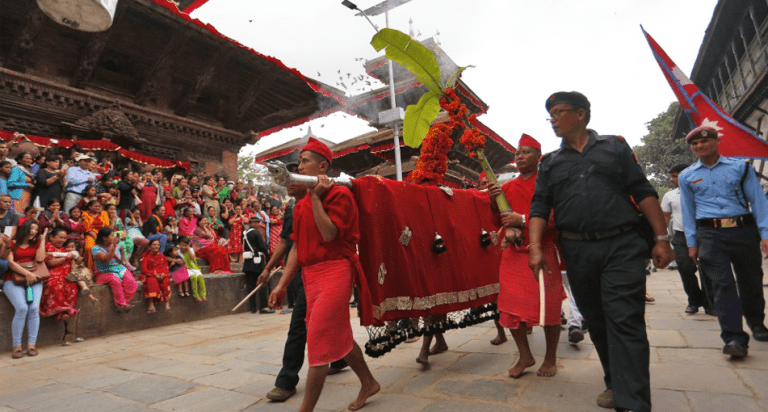
Dashain is Nepal’s homecoming festival. People from every corner of the world return to Nepal for Dashain — the diaspora in the Gulf, in Australia, in the United Kingdom, in the United States all make the journey. Family gatherings, ritual blessings from elders (tika), feasting, and gift-giving define the festival. Among Kathmandu Valley Newars, community processions (Jatra) of deities are carried through the streets. The kite rising above a rooftop during Dashain is not just a flying object — it is a sign that the family has returned, that the household is alive and celebrating.
How Fly360 Connects with Dashain Kite Traditions
Fly360 celebrates the kite traditions of every culture it encounters. Whether it is Uttarayan in Gujarat, Vokatta in Kolkata, or Dashain in Nepal, the thread is the same: kites carry human intention skyward. Fly360 director Nisarg Shah — himself a student of the world’s kite traditions — has documented, participated in, and built custom kites inspired by festivals across Asia. The Fly360 team can create Dashain-themed kites, custom designs for Nepal-based events, and kite experiences that honour the cultural depth of the festival while adding the engineering precision that makes a Fly360 event unmistakable.
Gallery
Frequently Asked Questions
What is Dashain festival in Nepal?Dashain is Nepal's longest and most auspicious Hindu festival, lasting 15 days and celebrating Goddess Durga's victory over the demon Mahishasura. It is observed across Nepal, Bhutan, parts of India, and Myanmar, with all government offices and schools closed for the celebration.Why do people fly kites during Dashain?Kite flying during Dashain is an ancient tradition with two meanings: it is a sky-message to the rain god Indra asking him to stop rain now that the harvest is in, and it is believed to bring good fortune and prosperity to the family. The tradition of kite-cutting competitions is also popular during Dashain.What kites are traditionally used during Dashain?Traditional Dashain kites are made from lokta paper — a strong, lightweight Himalayan paper — with bamboo spars and cotton string. Kite-cutting (using the string to cut an opponent's kite line) is the most popular competitive activity during the festival.Can Fly360 create custom kites for Nepal events and Dashain celebrations?Yes. Fly360 designs and fabricates custom kites for any cultural event including Dashain-themed designs. Contact the Fly360 team to discuss your requirements for a Nepal-based event or Dashain celebration.When does Dashain take place?Dashain falls during the Nepali month of Ashwin (September-October) on the Bikram Sambat calendar, coinciding with the Hindu festival of Navratri and Vijayadashami. The exact dates shift each year based on the lunar calendar.