

Kite Info
4 Types of Stunt Kites You Should Know: Complete Guide by Fly360
Fly360 explains the 4 types of stunt kites: dual line delta, diamond, parafoil, and quad line. Complete beginner guide to choosing your first stunt kite.
Stunt kites are the most technically demanding and visually spectacular kites in the sky. Unlike a traditional single-line kite that simply rises and holds its position, a stunt kite responds to your hands in real time – turning, spinning, diving, and performing aerobatic sequences that can be choreographed to music. Fly360, India’s leading professional kite company founded by Nisarg Shah, explains the four main types of stunt kites and how each one flies.
Stunt kites have been commercially available since the early 1970s, but their history goes back to 1941 when the first steerable diamond kite was flown. Today, they are flown competitively as a sport, used in professional kite shows, and enjoyed by recreational flyers of all ages.
1. Dual Line Delta Stunt Kites
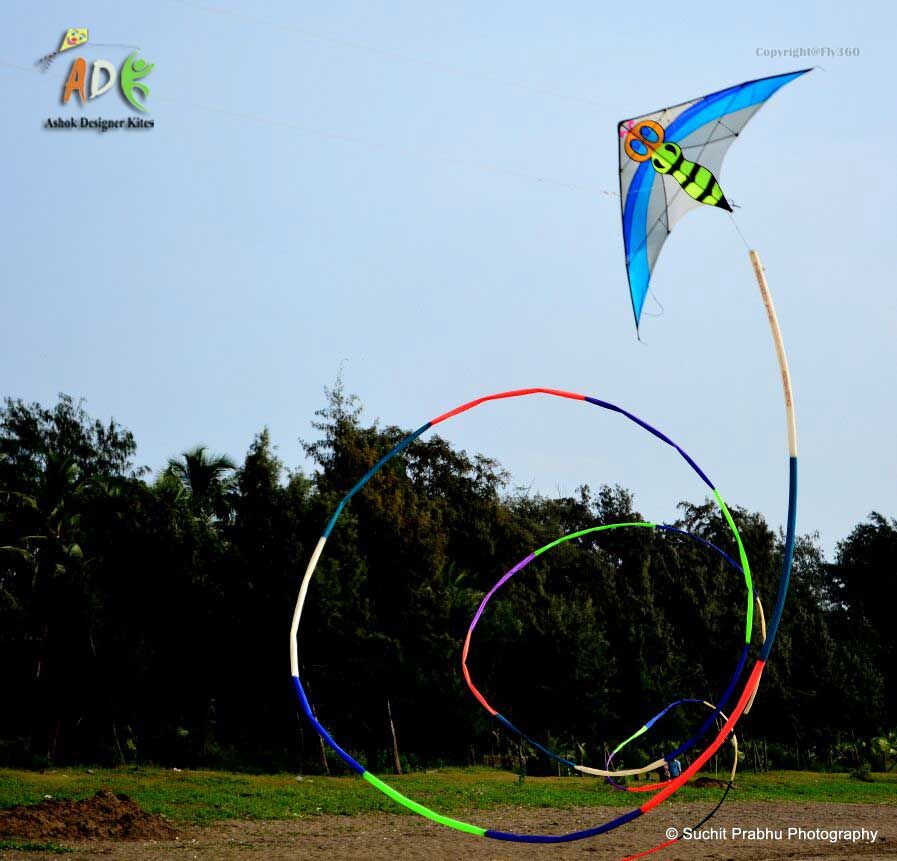
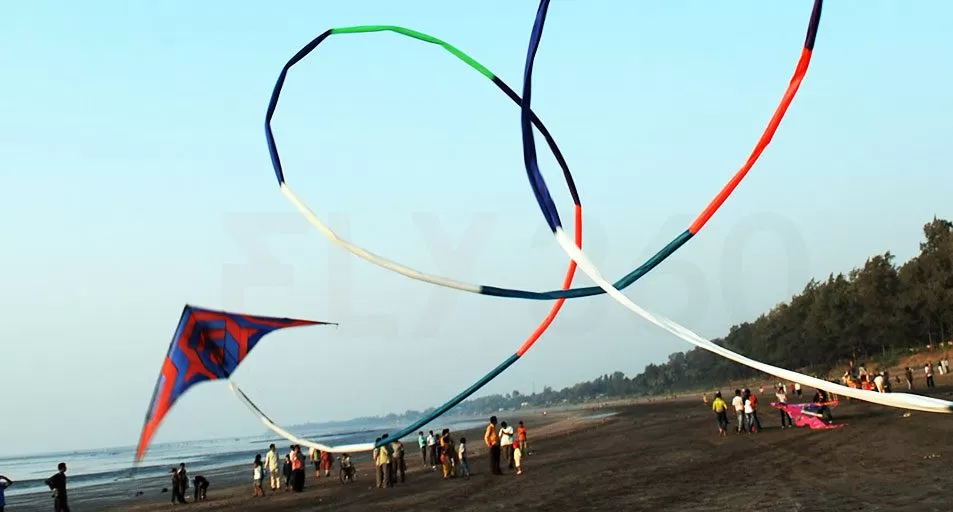
The dual line delta stunt kite is the most popular and widely used stunt kite format in the world. Its triangular “delta” shape – a main leading spar, two diagonal leading edge spars, and one to three horizontal spreaders – provides excellent stability and predictable handling at almost any wind speed.
Delta stunt kites are controlled by two lines attached to a bridle point. Pulling the right line turns the kite right; pulling the left line turns it left. The pilot walks forward to maintain line tension and backward to reduce it. With practice, the kite can trace precise patterns, hover, dive, and spin.
Most professional kite shows in India use dual line delta stunt kites as their primary performance kite. They are lightweight, fast to launch, and capable of the precise manoeuvres that create the formations and sequences audiences love.
- ✓ Best for: performance shows, sport kite competition, beginners learning stunt kite control
- ✓ Wind range: 5 to 35 kmph
- ✓ Materials: ripstop nylon sail, carbon fibre spars, braided polyethylene lines
2. Dual Line Diamond Stunt Kites
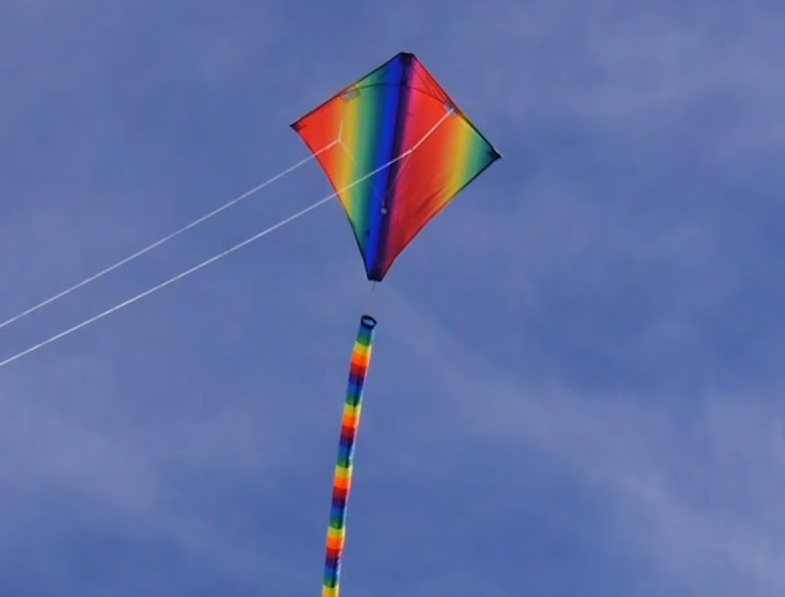
The dual line diamond stunt kite is the closest in appearance to a traditional patang or children’s kite. Its diamond shape – a central vertical spine and a curved horizontal bow spar – makes it the most recognisable kite profile in the world.
Diamond stunt kites typically require a tail for stability and are generally slower and less agile than delta kites. They are well suited to lighter wind conditions and are an excellent entry point for beginners learning to fly a steerable kite before moving to faster deltas.
Some diamond designs, particularly larger custom designs by Fly360, are built without tails using a specific bridle configuration that creates inherent stability. These tail-less diamond kites are a signature of expert kite engineering.
- ✓ Best for: beginners, light wind conditions, display flying
- ✓ Wind range: 5 to 20 kmph
- ✓ Note: most diamond kites require a tail for stable flight
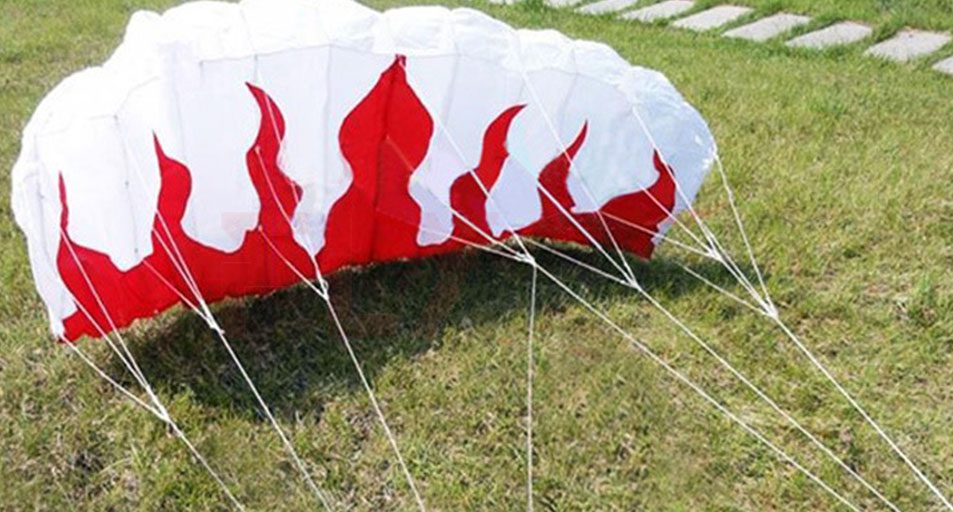
3. Dual Line Parafoil Stunt Kites
The dual line parafoil stunt kite is fundamentally different from all other kite types in one important way: it has no rigid frame. The parafoil is an inflatable soft kite – a double-surface wing with cells that fill with air as the kite launches, maintaining the wing’s shape through internal air pressure alone.
Parafoils generate enormous lift relative to their weight and are used in power kiting, kite surfing, and large-scale traction kiting. In the stunt kite world, dual line parafoils are prized for their raw power and the sensation of flying a kite that can actually pull you across the ground.
- ✓ Best for: power kiting, kite buggying, traction applications, strong wind conditions
- ✓ Wind range: 8 to 40 kmph
- ✓ Note: no spar frame – folds flat for easy transport
4. Quad Line Revolution Kites
The quad line kite is the most technically advanced stunt kite design. It uses four flying lines instead of two – two on the leading edge and two on the trailing edge – allowing the pilot to control not just direction but also the exact pitch angle of the kite in real time.
This control gives the quad line kite a capability no two-line kite can match: it can fly in reverse. It can stop in mid-air and hover at any angle. It can fly in precise formation with other quad kites to fractions of a degree. It can spin in place. These capabilities make quad line kites the instrument of choice for choreographed kite ballet and competitive ballet kite flying.
- ✓ Best for: kite ballet, precision formation flying, advanced sport kite competition
- ✓ Wind range: 5 to 30 kmph
- ✓ Learning curve: significantly steeper than dual line kites

Frequently Asked Questions About Stunt Kites
Common questions answered by the Fly360 team.
What is a stunt kite?
What is the difference between a stunt kite and a regular kite?
Which stunt kite is best for a beginner?
What wind speed do stunt kites need?
Can Fly360 perform stunt kite shows at events?
Want a Professional Stunt Kite Show at Your Event?
Fly360 delivers choreographed stunt kite performances across India, from corporate events to large festivals.