



Home / Blog / Indian Kite
Indian Kite
Kite Aerial Photography – Then and Now
Fly360 explores the evolution of kite aerial photography — from 19th century mapping missions to modern camera rigs flown at the Panchgani Kite Festival over Maharashtra's tablelands.
The first aerial photograph in history was taken from a kite. Not from a drone, not from a plane, not from a satellite — a kite. Since 1858, the technology has evolved enormously. But the kite remains, as Fly360 proves every time it deploys its aerial photography rig, the most accessible, most poetry-worthy aerial camera platform ever built.
The History of Kite Aerial Photography: 1858 to Today
Aerial photography began in Paris in 1858 when French balloonist Gaspard-Felix Tournachon, known as Nadar, took the first aerial photograph from a tethered hot-air balloon 80 metres above the ground. It took him three years of experimentation to achieve this. By the 1880s, photographers were using kites to lift cameras — the kite offered controllable altitude without the complexity of a balloon. During both World Wars, kite aerial photography was used for military reconnaissance and mapping. Today, with drones having taken over most commercial aerial photography, the kite remains uniquely relevant in one important area: restricted airspace.
Why Kites Still Outperform Drones in Certain Conditions
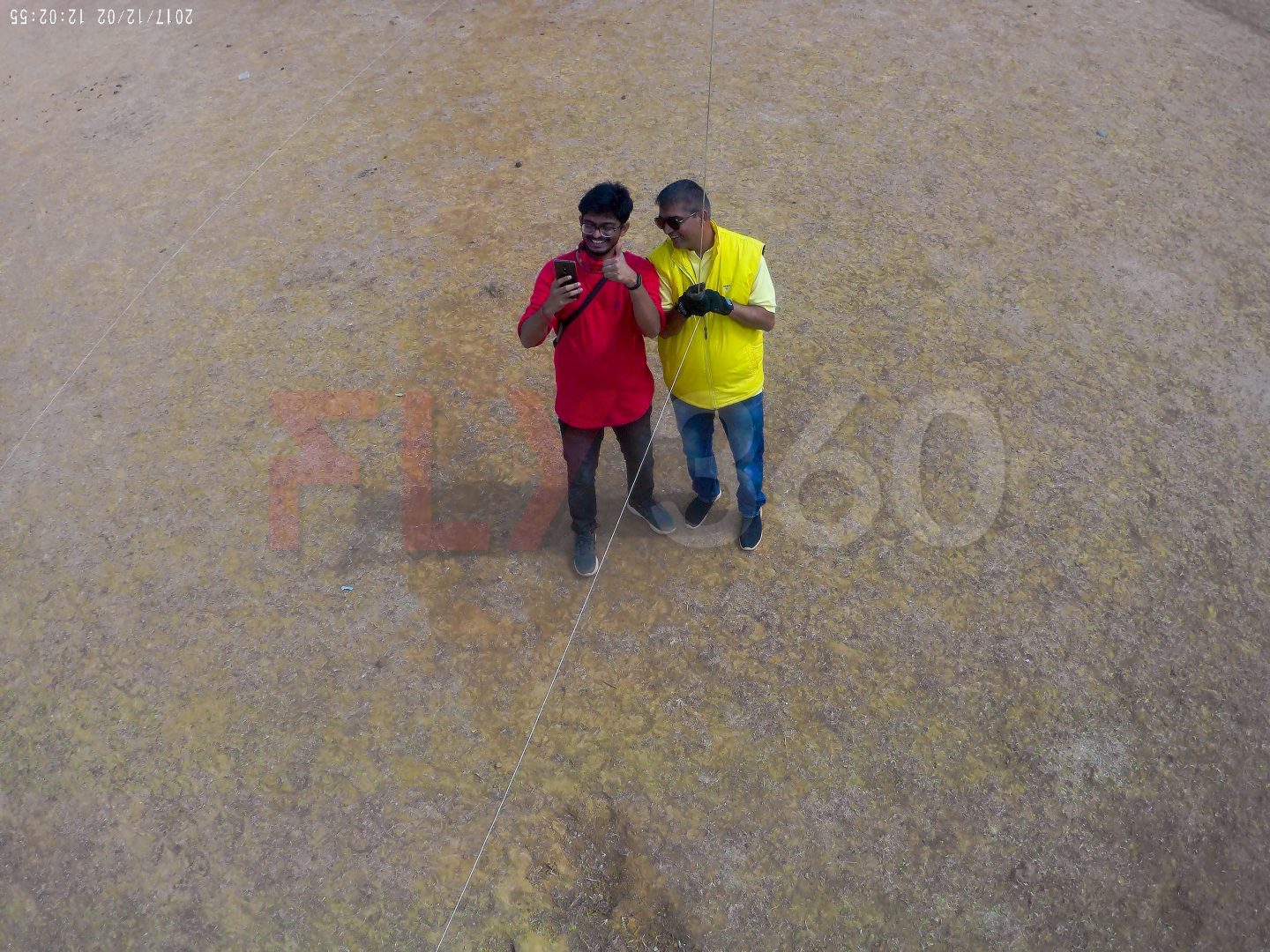
Drones dominate modern aerial photography. But they have hard limits: a typical drone battery lasts 30 to 40 minutes before it must land. Drones cannot operate near airports, in many heritage sites, or in areas with active security restrictions. Kite-mounted cameras have none of these constraints. A kite can hold a camera aloft for hours, operates silently, requires no power source, and is permitted in most locations where drones are prohibited. For environmental surveys, archaeological site documentation, festival coverage, and coastal photography, kite aerial photography remains the superior method.
Fly360 Kite Aerial Photography at Panchgani
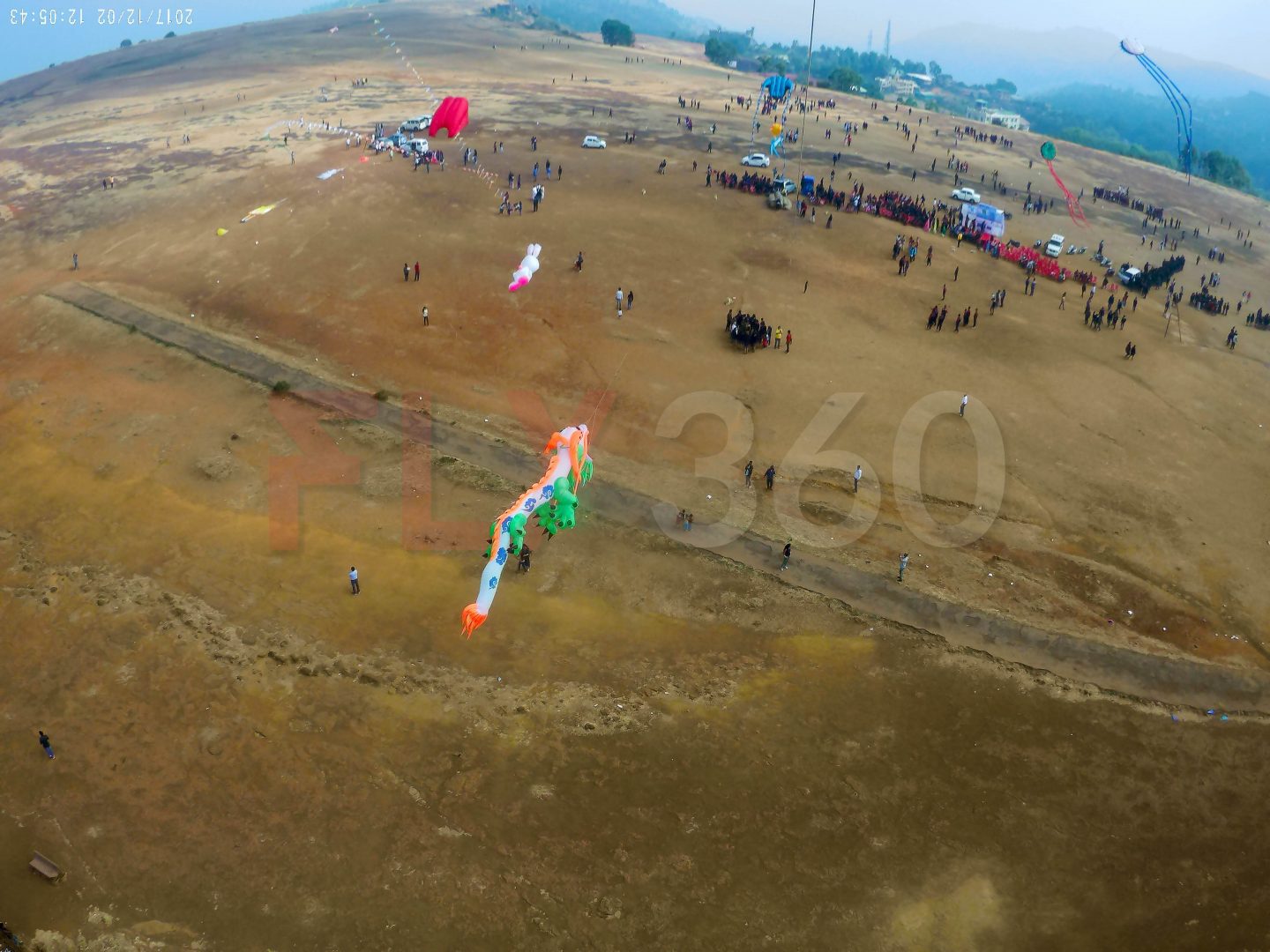
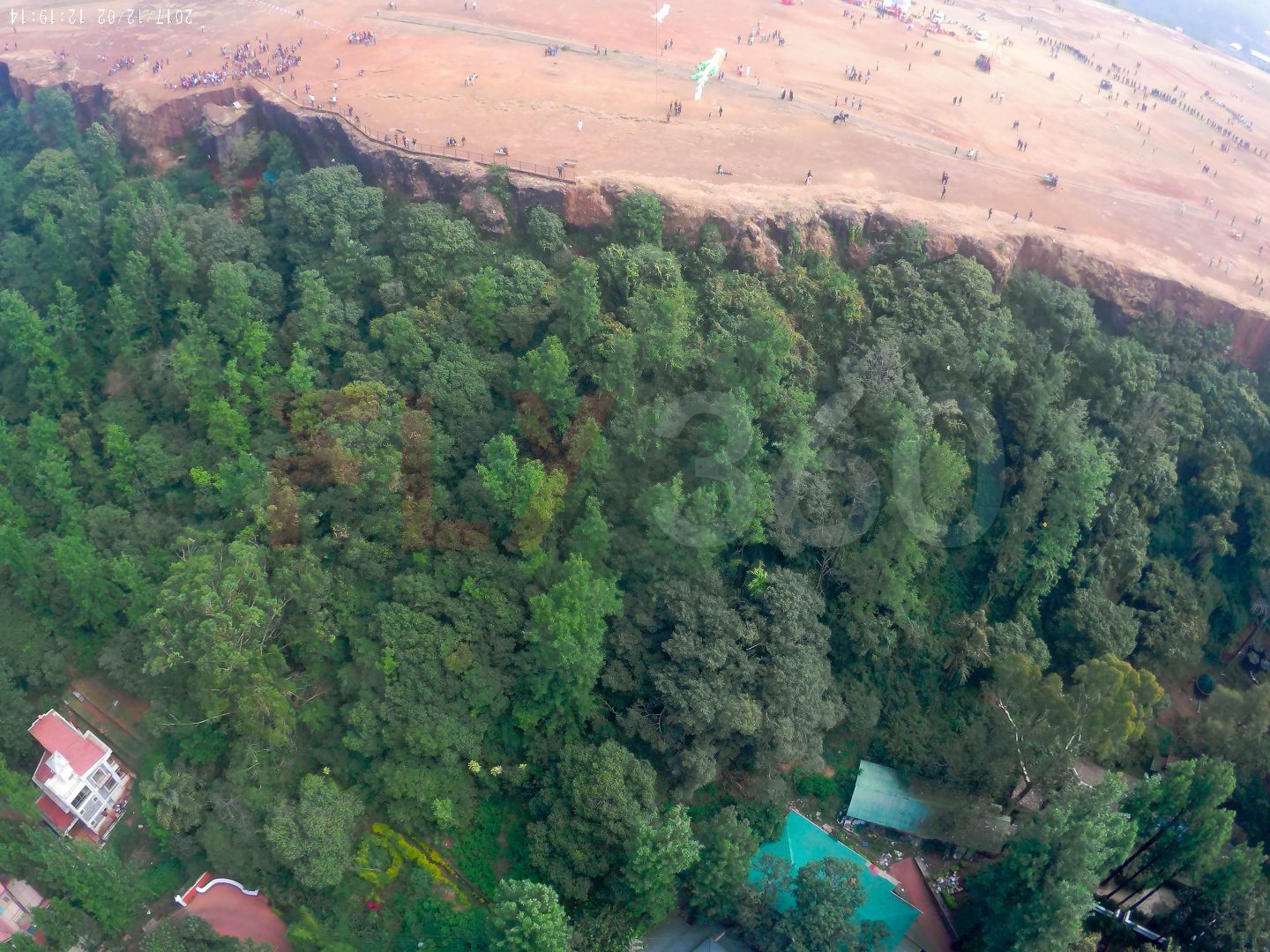
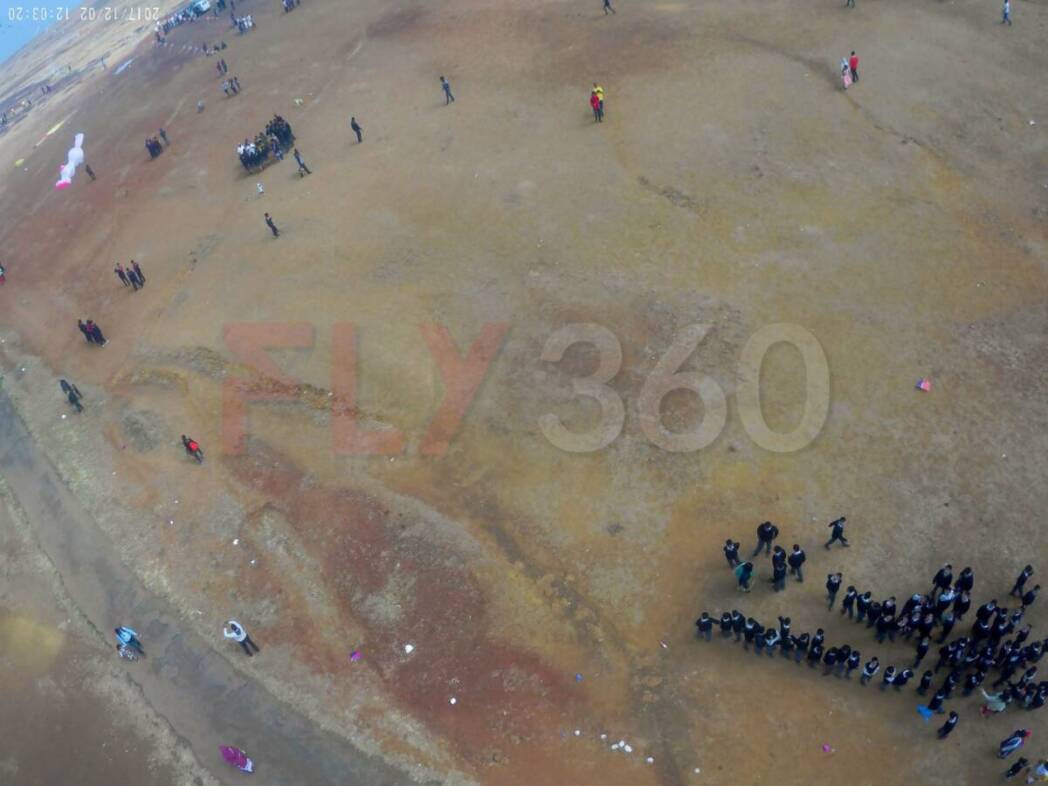
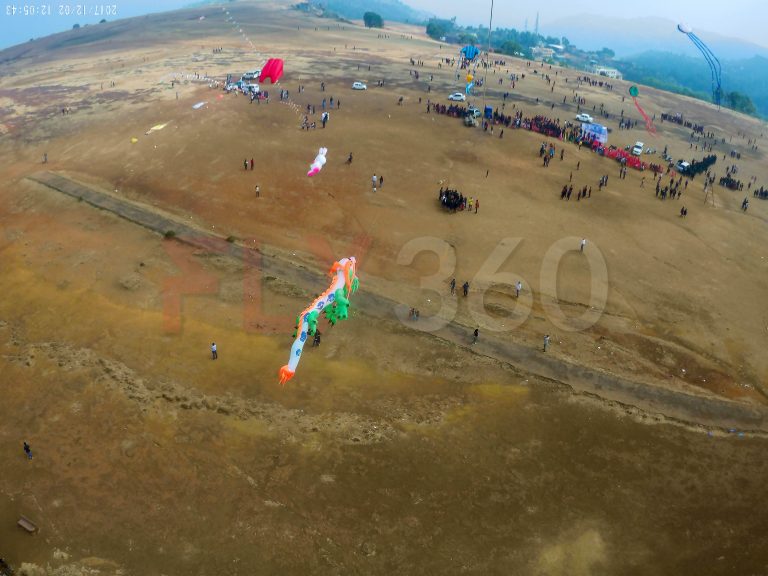
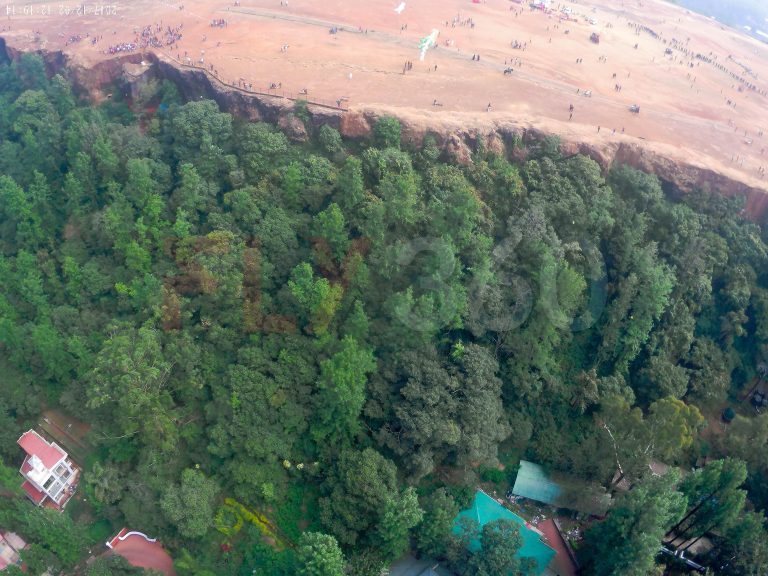
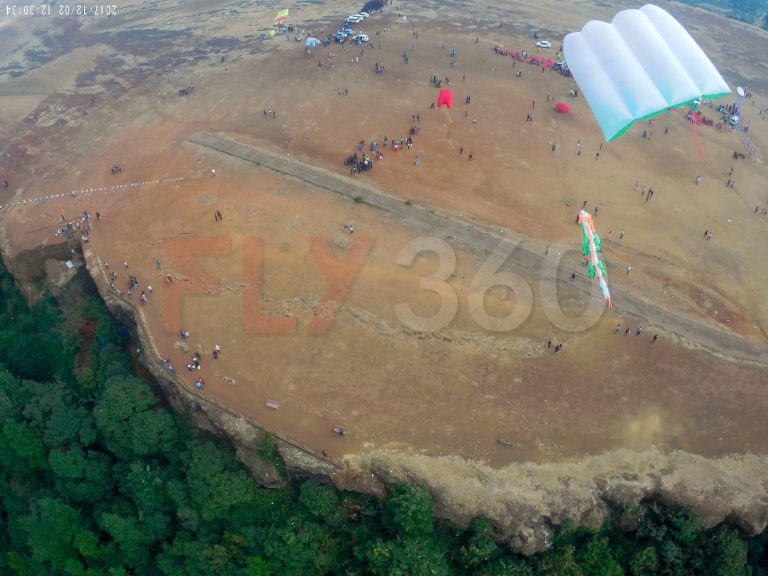
Fly360’s kite aerial photography team deployed at the Panchgani Kite Festival, capturing the valley landscape from a height and angle that no ground photographer and no drone (prohibited in the area) could achieve. Fly360’s custom-built aerial rigs use high-resolution cameras mounted on gyroscopically stabilised platforms suspended below large, stable delta kites. The resulting images — crisp, panoramic, and shot from altitudes that produce genuine aerial perspective — are the kind of content that tourism boards, resort developers, and event documentarians pay significant premiums for.
The Technical Architecture of a Fly360 Aerial Kite Camera Rig
A Fly360 aerial photography kite is a purpose-built structure: large surface area for maximum lift at moderate wind speeds, minimum weight, and a rigid fiberglass spar frame designed to maintain flight angle stability under camera load. The camera platform hangs below the kite on a pendulum-damped suspension rig that absorbs turbulence. Trigger cables or remote-trigger systems allow frame-accurate shutter control from the ground. The entire system can be deployed by two people in under 15 minutes at any outdoor location.
Gallery
Frequently Asked Questions
What is kite aerial photography?Kite aerial photography (KAP) is a technique where a camera is suspended below a large, stable kite and lifted to altitude to capture aerial photographs or video. It predates drone photography by over a century and remains relevant in locations where drones are prohibited.How is kite aerial photography different from drone photography?Kite aerial photography can operate for hours (vs 30-40 minutes for drones), operates silently, requires no battery power, and is permitted in many locations where drones are prohibited, including heritage sites, restricted airspace, and areas with security protocols.Does Fly360 offer kite aerial photography services?Yes. Fly360 operates purpose-built kite aerial photography rigs with gyroscopically stabilised camera platforms. Services are available for events, festivals, tourism documentation, resort photography, environmental surveys, and archaeological documentation.Who invented kite aerial photography?Kite aerial photography was pioneered in the late 19th century as photographers began using kites to lift cameras. Notable early practitioners include Arthur Batut (France, 1888) and George Lawrence (USA), who famously photographed San Francisco after the 1906 earthquake using a large kite train.Can kite aerial photography be done at events and festivals?Yes. Fly360 deploys its aerial kite photography rig at events and festivals, producing unique high-altitude coverage that drones often cannot achieve in those environments. A two-person team can set up and be operational in under 15 minutes.